Mission-Ready Propulsion: The Combat-Proven NW-44
Reliable, American-made power for the 18–34 kg UAV class
 The NW-44 is built for one thing: getting the job done. While other engines compromise on fuel or durability, this 43.6 cc powerhouse delivers consistent performance across 28,000+ operational hours. It is purpose-built for aircraft in the 40 to 75 lb range, offering a modular design that adapts to your specific mission requirements. This isn't just a component; it is a combat-proven system designed to keep your assets in the air longer.
Performance comes down to the numbers. The NW-44 produces 3.5 horsepower while weighing1 approximately 3.4 kg. This balance allows for larger payloads and faster climb rates without sacrificing the airframe's structural integrity. Because it is EAR99 approved and built to AS9100 aerospace standards, you avoid the regulatory headaches often found with international propulsion systems. It is simple, effective, and ready to deploy.
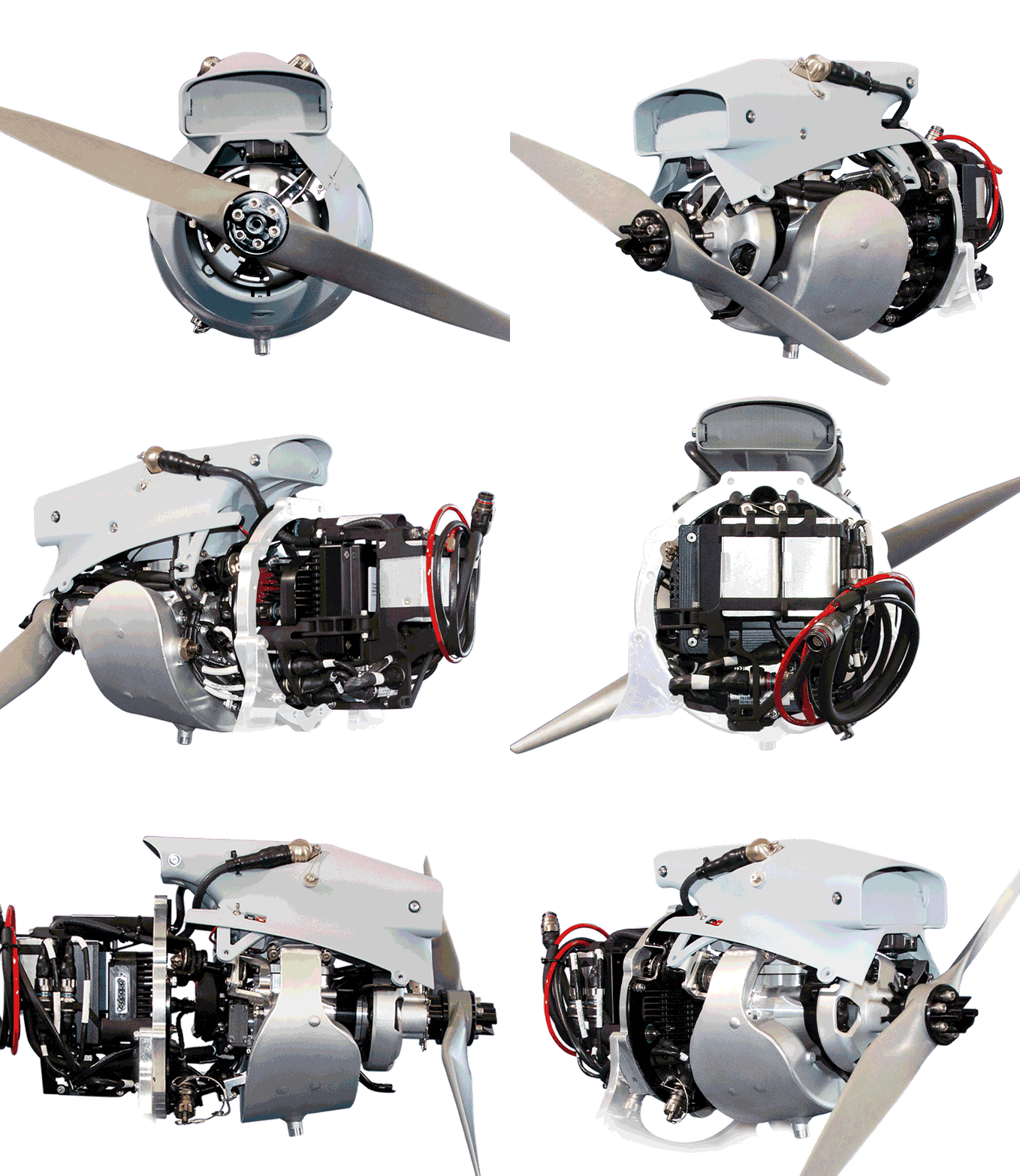
NW-44 Features
- Multi-Fuel Capability2: Designed to run efficiently on standard logistic fuels.
- Optimal Power-to-Weight: Maximizes your UAV's payload and cruise speed.
- Operational Stealth: Features a lightweight, quiet muffler for low acoustic signatures.
- Rapid Deployment: Engineered for easy cold starts and simplified field maintenance.
- Data-Driven Reliability: Includes telemetry trend monitoring to track engine health in real-time.
- American Integrity: 100% American-made and supported by dedicated technical experts.
NOTE: Actual performance will vary depending on PMU configuration, application, propeller, fuel type, oil, environmental conditions, type of operation, direction of rotation, generator losses, and cowling configuration. | 1Core = EMU with ACHT. Core weight + avionic weight = total PMU weight. No prop, no prop hardware, no manual engine start interface. | 2Fuel is subject to regional and seasonal variations. The user is responsible for testing, validating, and defining operational limits with their local gasoline source.
Engine application is dependent on airframe factors including: Aerodynamics, propeller, and operational concept. Please contact NWUAV for guidance.